Experience
A paradise worth preserving
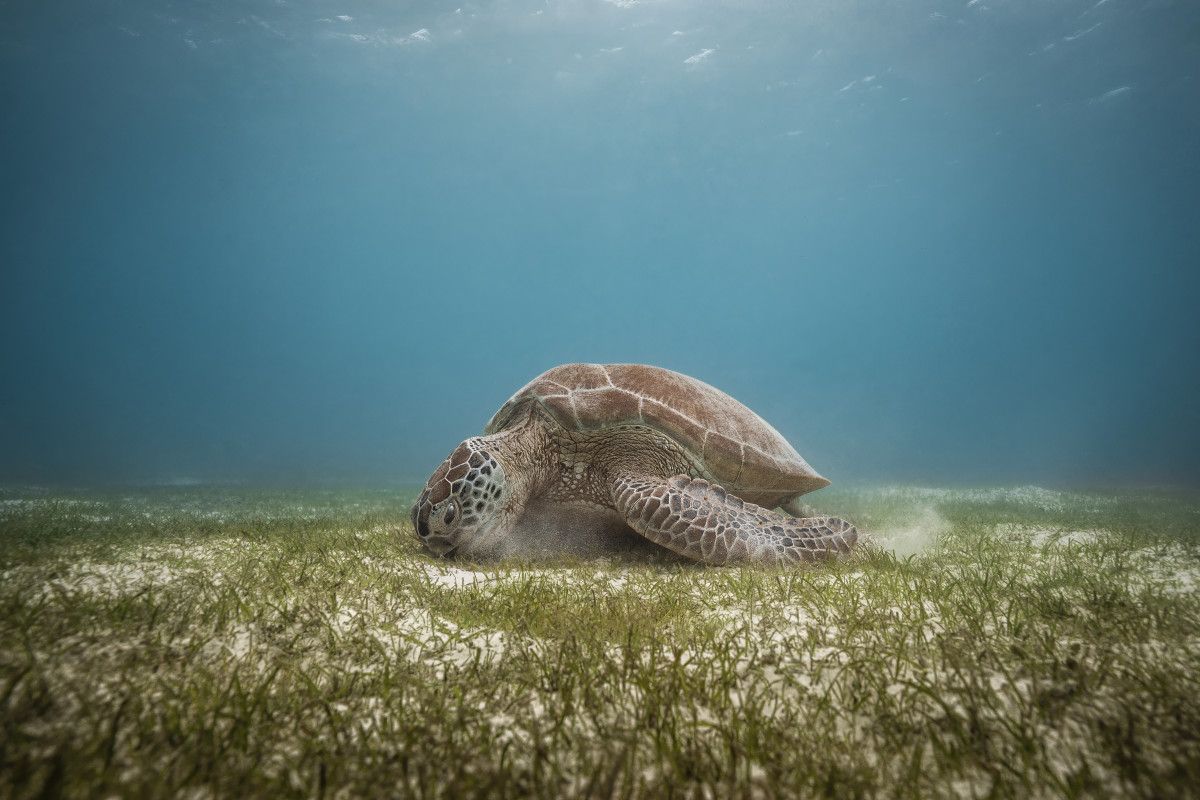
The Maldives is known for its blue. Increasingly, it is also earning a name for its green: protected reefs, restored shorelines and communities who treat the islands as something to look after, not just admire. The World Travel Awards have taken notice, naming it World’s Leading Green Destination in 2024 and 2025. In 2026, it is nominated once more.
Few places match the Maldives for sheer visual poetry: 1,190 low-lying islands scattered across the Indian Ocean, ringed by coral reefs that glow in shades of blue and green. But that beauty rests on a fragile foundation. With most islands sitting barely a metre above sea level, the Maldives is among the countries most exposed to climate change, from rising seas to warming waters and coral bleaching.
Safeguarding this paradise takes more than caring for a few special places. It calls for effort across the country, from conserving habitats and managing waste to restoring greenery and encouraging more responsible ways of living and travelling.
Protecting the natural world
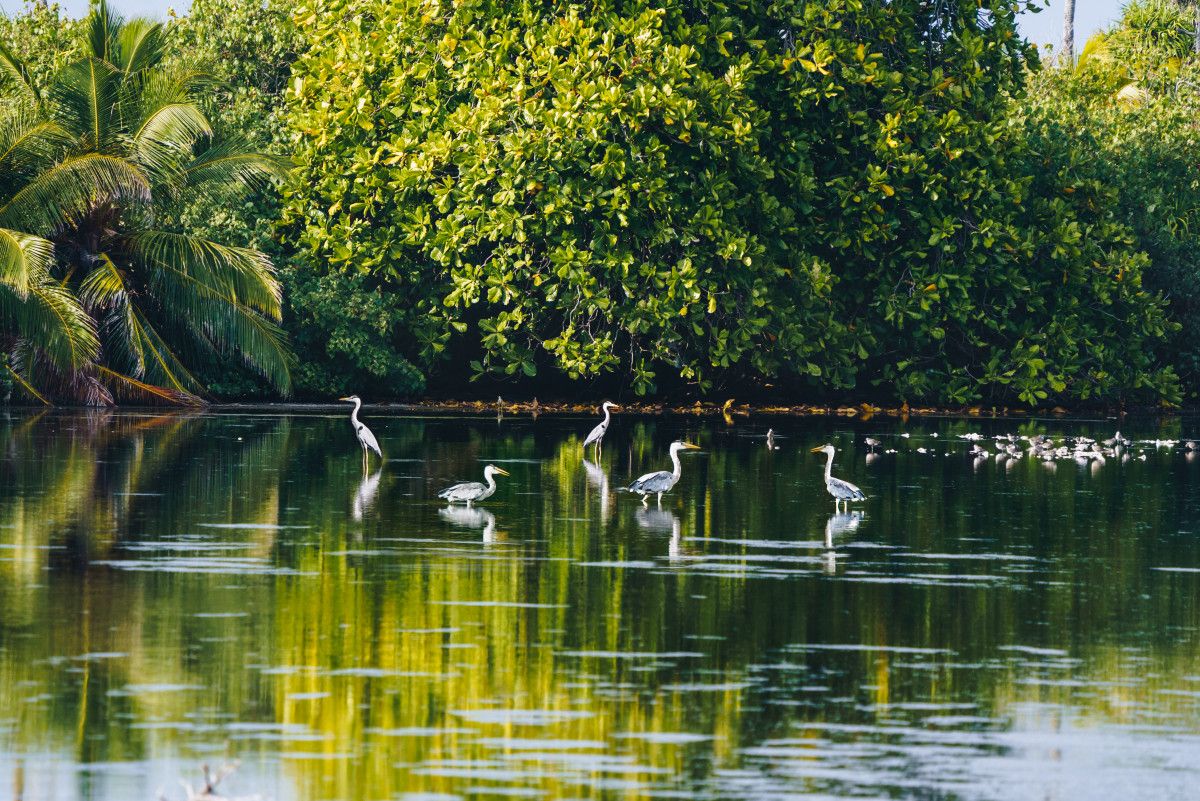
Healthy ecosystems are the Maldives’ first line of defence. Reefs break the force of waves before they reach the shore, and trees and native vegetation hold fragile island soil in place. The country now has 93 protected areas, covering more than 66,000 hectares, alongside three UNESCO Biosphere Reserves. Together they shelter the marine and terrestrial life that keeps the islands resilient.
The work reaches well beyond protected areas. The government’s Five Million Tree Project is restoring native species and strengthening coastal ecosystems, island by island. With island councils, businesses and communities involved, 1,830,618 trees have been planted so far. Pledges have reached 5,859,394, already surpassing the original goal of five million.
Protecting the natural environment also means addressing the waste generated by everyday life. Magey Saafu Raajje National Waste and Resources Management Policy and Strategy 2024–2028 brings waste management under one national framework, aiming to improve how waste is handled while safeguarding human health and the environment. At its core is a circular economy approach: reusing and recycling materials to cut waste at the source, including phasing out single-use plastics. The policy also recognises that systems alone aren’t enough. It calls for education and awareness campaigns that bring citizens, schools, communities and NGOs into the effort, work already visible in the schools and community programmes led by groups like Parley Maldives.
A greener future, shaped by its people
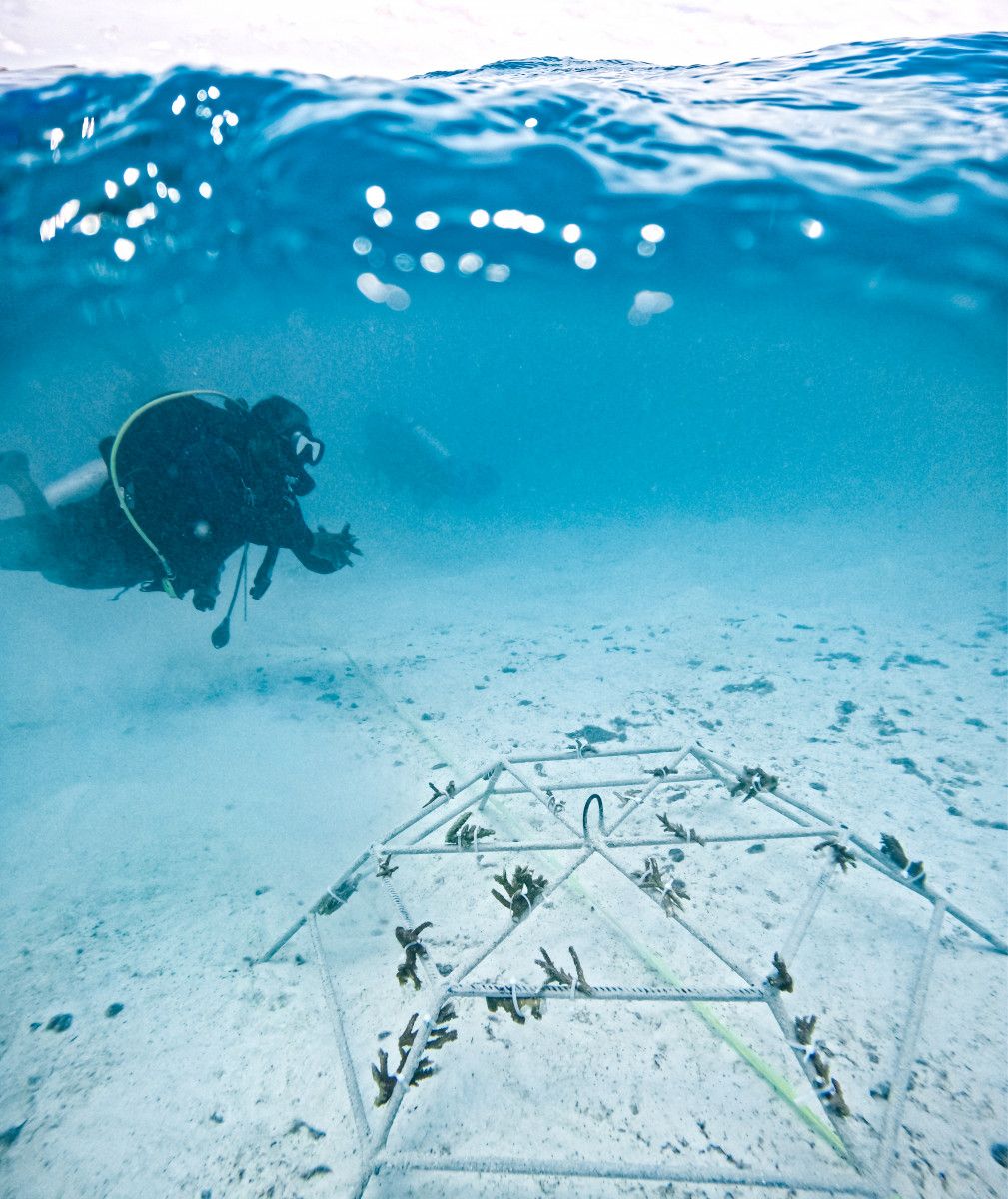
National initiatives set the direction, but much of the day-to-day work happens through organisations, local communities and tourism businesses across the islands.
Parley Maldives tackles marine plastic pollution through its AIR strategy: Avoid, Intercept and Redesign. It brings schools, businesses and communities into efforts to reduce plastic use and boost recycling. The Olive Ridley Project rescues and rehabilitates injured sea turtles, including those found entangled in discarded fishing nets. Through research, rehabilitation and public education, it also raises awareness of the threats facing the ocean.
Tourism, which depends on the very environment it affects, is part of the picture too. Resorts take different approaches, from cutting waste and conserving water to restoring reefs and investing in renewable energy to lower emissions. Green Globe certification recognises businesses that meet its sustainability standards and forty-six resorts operating in the Maldives are among its certified members. No industry operates without a footprint, but reducing it is where meaningful change begins.
Each of these groups brings something different: policy gives direction, conservation organisations bring expertise, communities bring local ownership, and businesses bring investment and scale.
Keeping the Maldives resilient
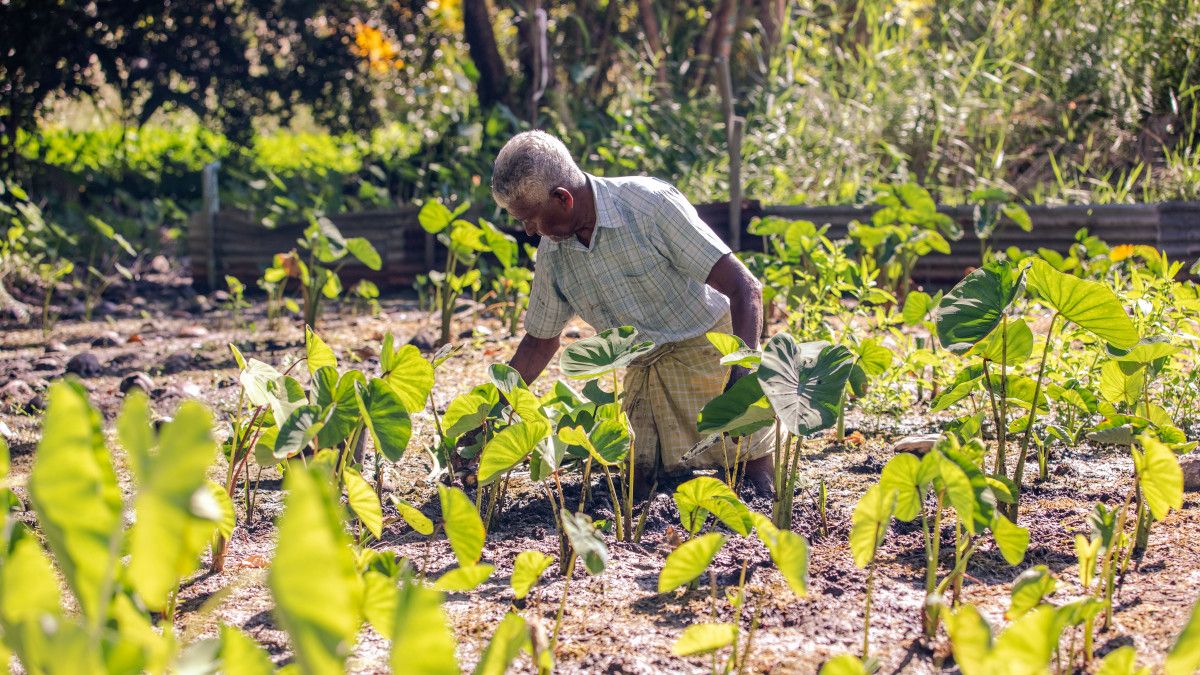
The future of the Maldives rests on the health of its reefs, its greenery and the way its resources are managed. That means continued commitment from across the country, because a changing climate leaves little room for standing still.
For visitors, the islands offer an unforgettable encounter with the natural world. Keeping that encounter possible for the next generation depends on the work happening today. It is this shared responsibility, and the effort behind it, that gives meaning to the Maldives’ ambition to be recognised as the World’s Leading Green Destination.
Vote for the Maldives at the World Travel Awards 2026
If you believe this work deserves recognition, you can help. The Maldives is nominated for World’s Leading Green Destination at the World Travel Awards 2026, following wins in 2024 and 2025. It has also received four other global nominations: World’s Leading Destination, World’s Leading Dive Destination, World’s Leading Honeymoon Destination and World’s Leading Tourist Board.
Voting closes on 30 October 2026. Cast your vote across all five categories: https://www.worldtravelawards.com/vote and support the Maldives’ bid to bring home the titles.