Experience
Diving in the Maldives: A Guide to Sharks, Mantas, Reefs and Underwater Adventures
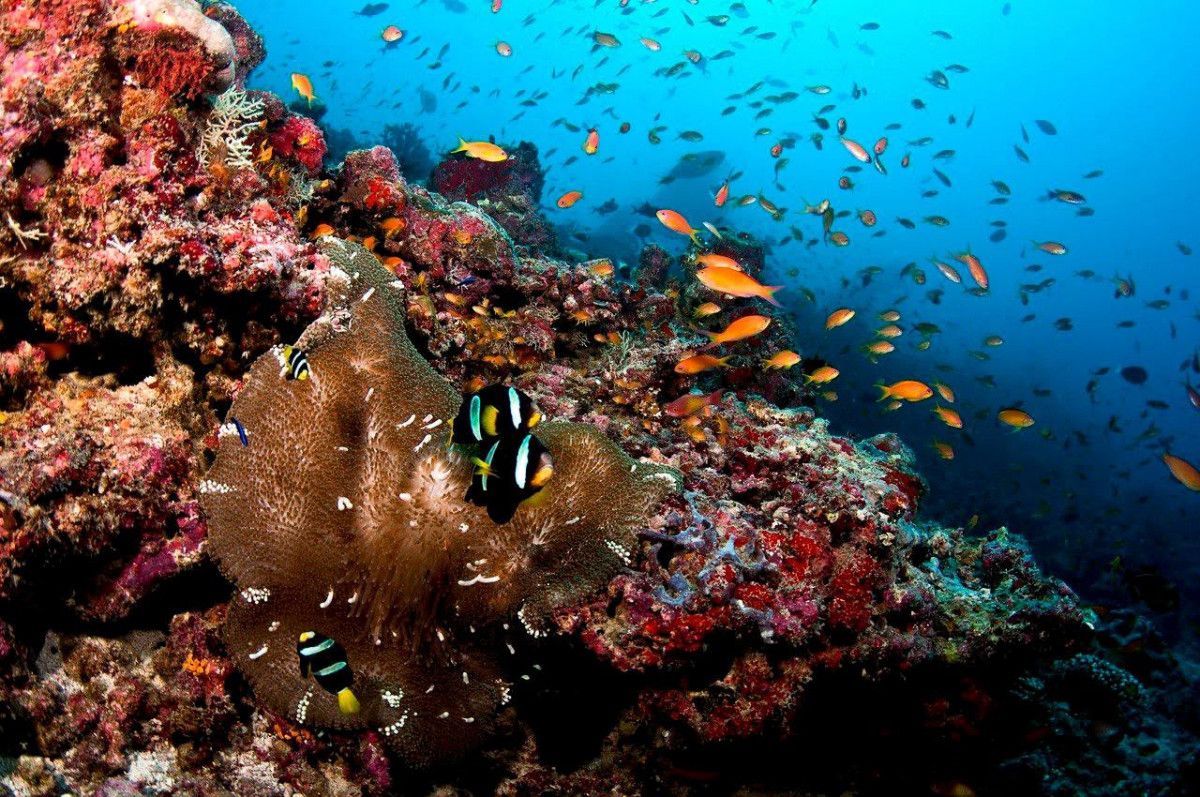
Beneath the clear blue waters of the Maldives lies one of the Indian Ocean’s most diverse diving destinations. Spread across 26 natural atolls and more than 1,000 coral islands, the Maldives offers reef walls, thilas, channels, caves, overhangs, cleaning stations and marine protected areas, each shaped by the movement of ocean currents and the marine life they bring.
Diving in the Maldives is not defined by one site or one encounter. It is defined by variety. On one trip, divers can drift through current-swept channels, explore coral-covered pinnacles, swim beside manta rays, search for whale sharks, encounter reef sharks or descend into underwater landscapes of caves, swim-throughs and soft coral overhangs.
This range of dive experiences is why the Maldives continues to be recognised among the region’s leading dive destinations. In 2026, the Maldives is once again nominated for Indian Ocean’s Leading Dive Destination at the World Travel Awards.
Diving in the Maldives at a glance
The Maldives offers dive experiences for many levels, from beginners taking their first reef dives to experienced divers seeking strong currents, deeper thilas and pelagic encounters.
Best for: reef diving, shark encounters, manta rays, whale sharks, drift dives, underwater photography and liveaboard diving
Main dive environments: thilas, channels, reef walls, caves, overhangs, cleaning stations and marine protected areas
Marine life to look for: reef sharks, manta rays, whale sharks, eagle rays, turtles, tuna, barracuda, jackfish, snappers, moray eels and colourful reef fish
Suitable for: beginners, certified divers, advanced divers and experienced current divers, depending on the site and conditions
Explore thilas, overhangs and underwater caves
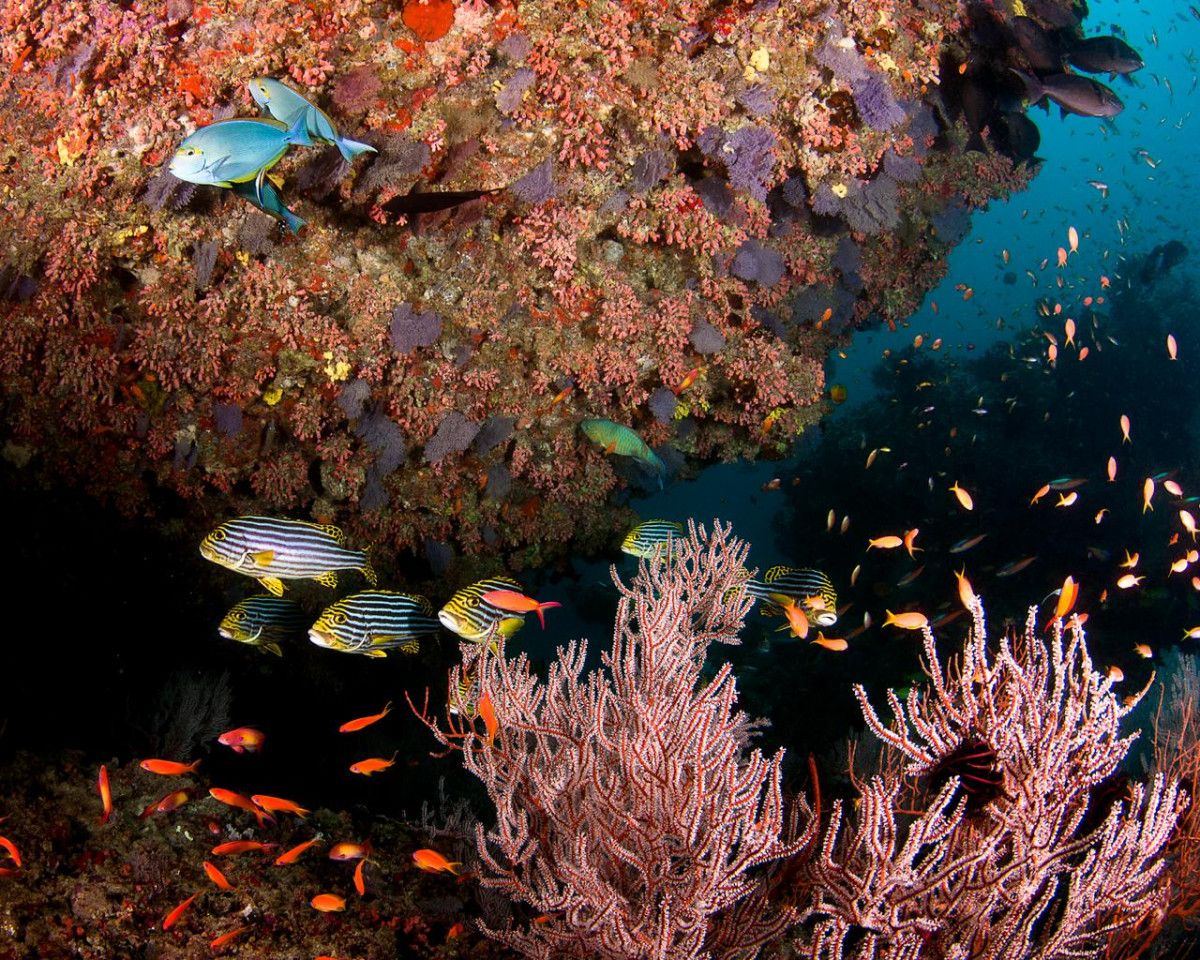
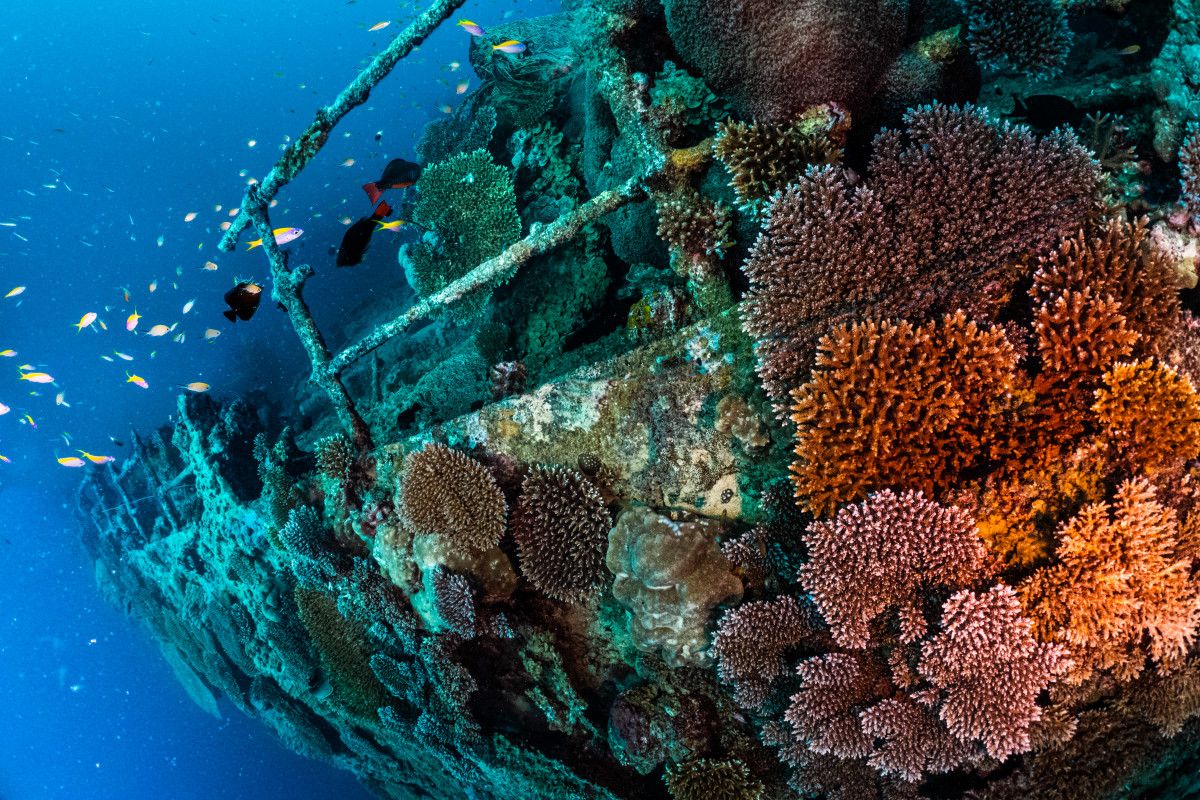
One of the most distinctive dive experiences in the Maldives is the thila. These submerged pinnacles rise from the atoll floor and often create compact underwater worlds filled with reef fish, coral formations, caves, swim-throughs and overhangs.
For divers who enjoy underwater landscapes, thilas offer some of the Maldives’ most memorable dives. Many feature steep walls, coral blocks, soft coral ceilings and sheltered spaces where marine life gathers in the current. These sites are especially rewarding for divers who enjoy exploring structure, light, movement and reef life in a single dive.
Across the Maldives, dive sites such as Maalhos Thila, Kudarah Thila and Fish Head are known examples of this experience, offering a glimpse into the country’s rich thila diving scene. Depending on the site and current, divers may encounter reef sharks, snappers, fusiliers, moray eels, eagle rays, barracuda and schools of reef fish moving around the pinnacle.
Drift through channels shaped by the ocean
Channel diving is one of the most exciting ways to experience the Maldives underwater. Channels connect the open ocean with the inner atoll lagoons, allowing currents to carry nutrients across the reef. This movement attracts fish, sharks, rays and larger pelagic species.
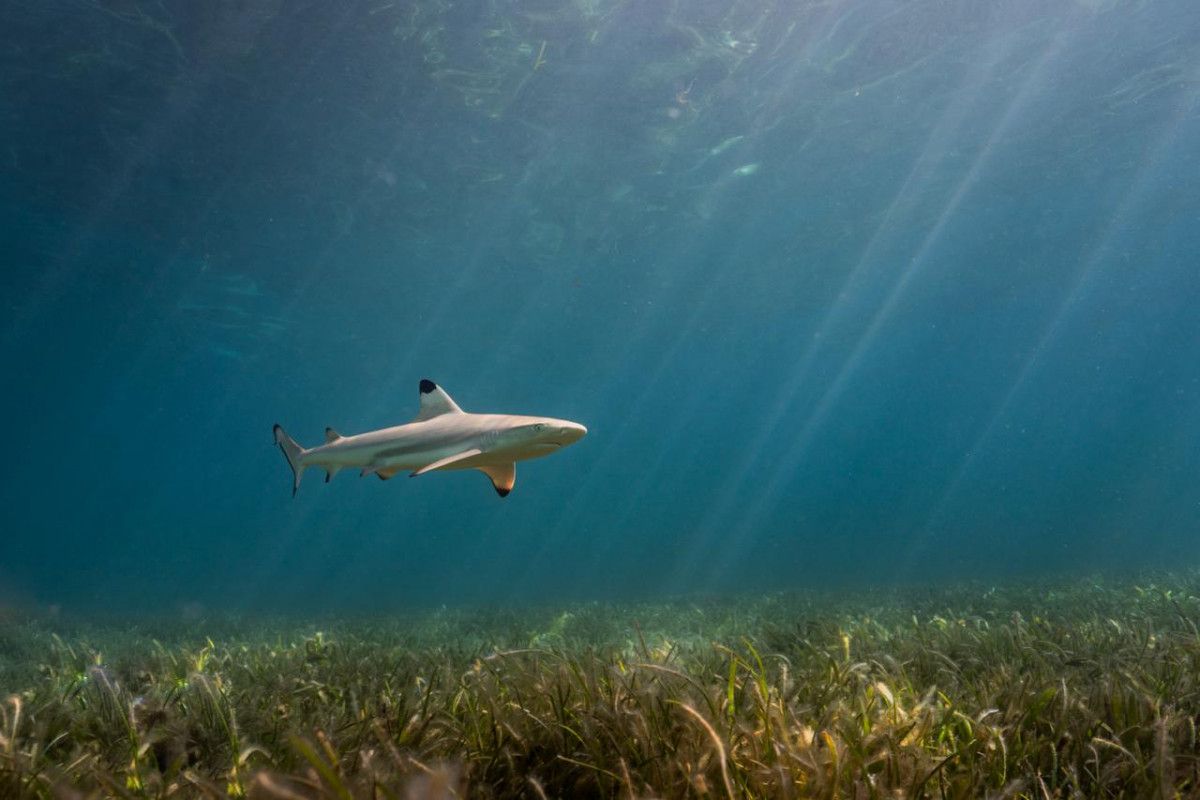
For experienced divers, channel dives offer the thrill of drifting with the current while watching marine life gather along reef edges and drop-offs. Grey reef sharks, whitetip reef sharks, eagle rays, tuna, barracuda and schools of fish are commonly associated with these current-rich environments.
Atolls such as Vaavu, Ari, Malé and others are known for this style of diving. Sites like Miyaru Kandu are examples of the Maldives’ channel dive experience, where reef structure, current and marine life come together to create an active underwater journey.
Dive with sharks in the Maldives
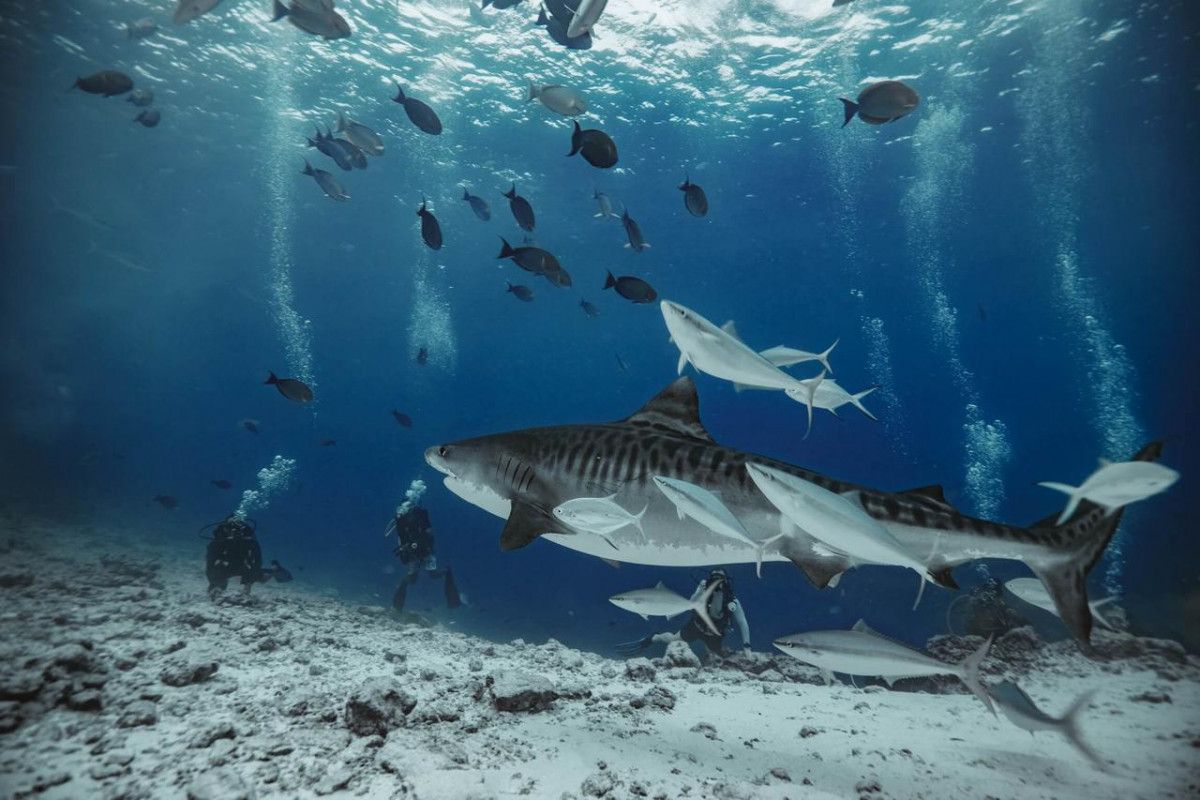
The Maldives is one of the Indian Ocean’s most rewarding destinations for shark encounters. Depending on the atoll, season and dive conditions, divers may encounter whitetip reef sharks, grey reef sharks, nurse sharks, lemon sharks, tiger sharks and hammerhead sharks.
In the central atolls, shark encounters are often linked to channels, reef edges and cleaning stations. Areas around Rasdhoo, Vaavu and Malé Atoll are known among divers for reef shark and pelagic encounters, while some sites near Hulhumalé offer regular sightings of larger shark species.
Further south, Fuvahmulah is especially known for encounters with tiger sharks and other pelagic life. For experienced divers seeking larger marine encounters, the southern atolls offer some of the Maldives’ most distinctive shark diving experiences.
Shark diving in the Maldives should always be done with licensed dive operators and trained professionals. Conditions, currents and marine behaviour vary by site, making local guidance essential for a safe and responsible dive.
Swim with manta rays and whale sharks
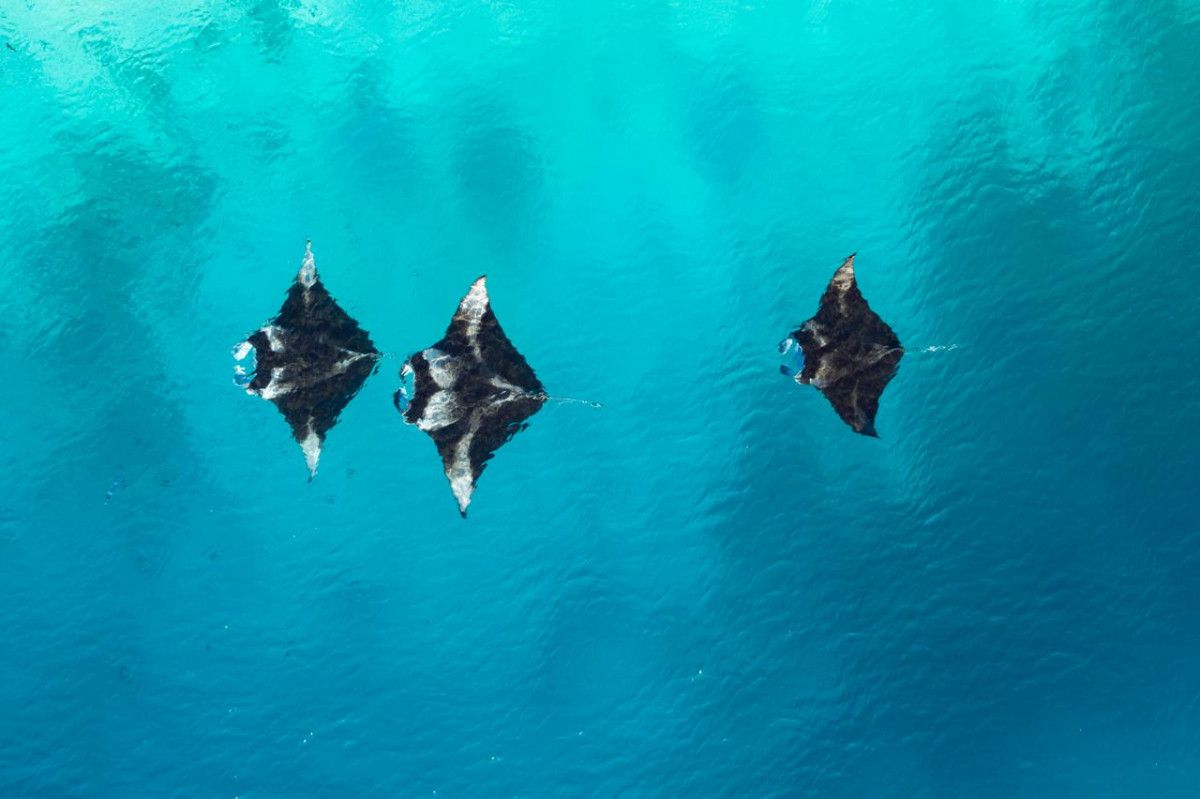
For many visitors, the Maldives is closely linked with manta rays and whale sharks. These encounters are part of a wider marine system shaped by plankton, monsoon patterns, reef structures and ocean currents.
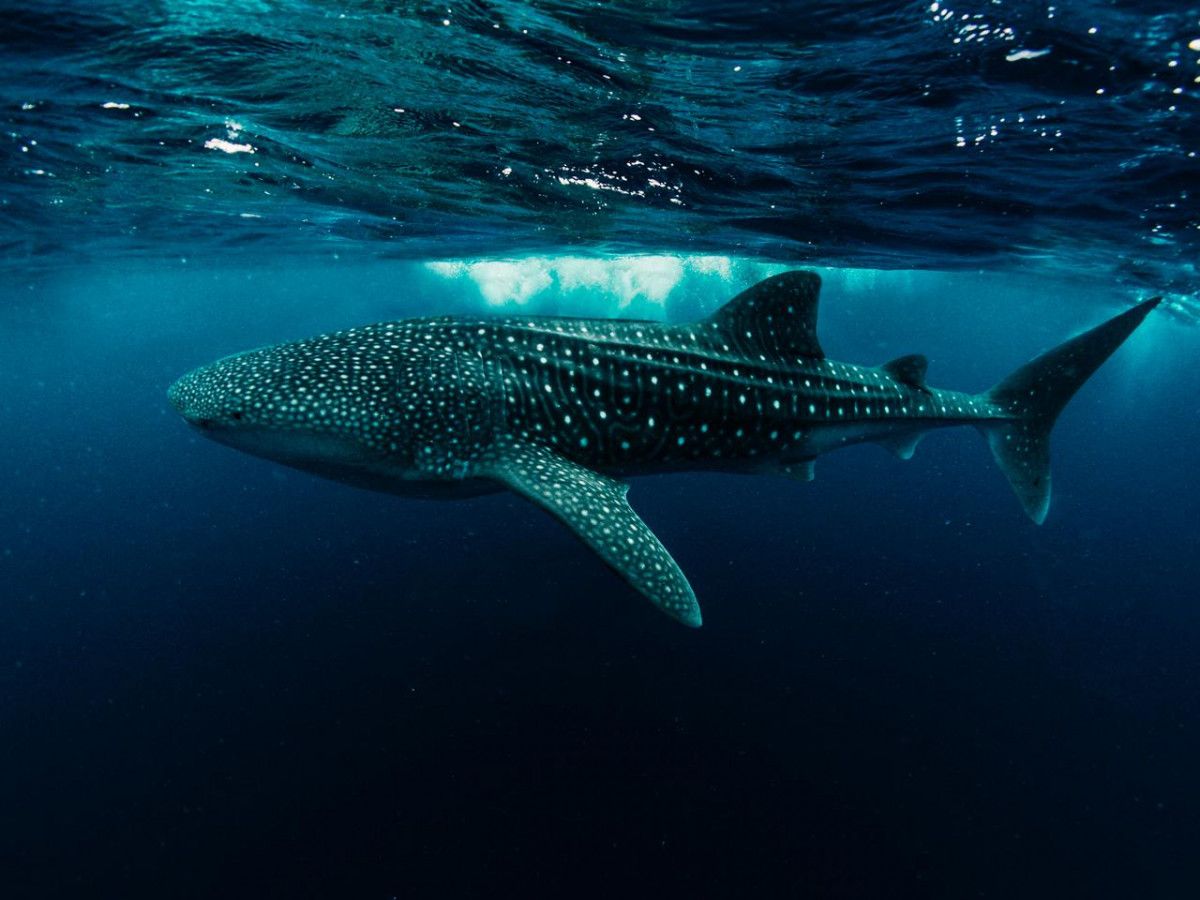
South Ari Atoll is one of the best-known areas for whale shark encounters, with opportunities to see these gentle giants throughout the year. Whale shark excursions are usually conducted with trained guides, and responsible interaction guidelines should always be followed.
Baa Atoll is one of the Maldives’ most famous areas for manta ray encounters. During the right season, manta rays gather in large numbers to feed in plankton-rich waters, creating one of the country’s most remarkable marine experiences. Hanifaru Bay, in Baa Atoll, is especially known for manta ray aggregations, though it is managed primarily as a snorkelling experience rather than a scuba diving site.
Manta rays can also be seen in other parts of the Maldives, including cleaning stations and reef areas where they gather during seasonal plankton movements.
Discover coral gardens, reef walls and marine protected areas
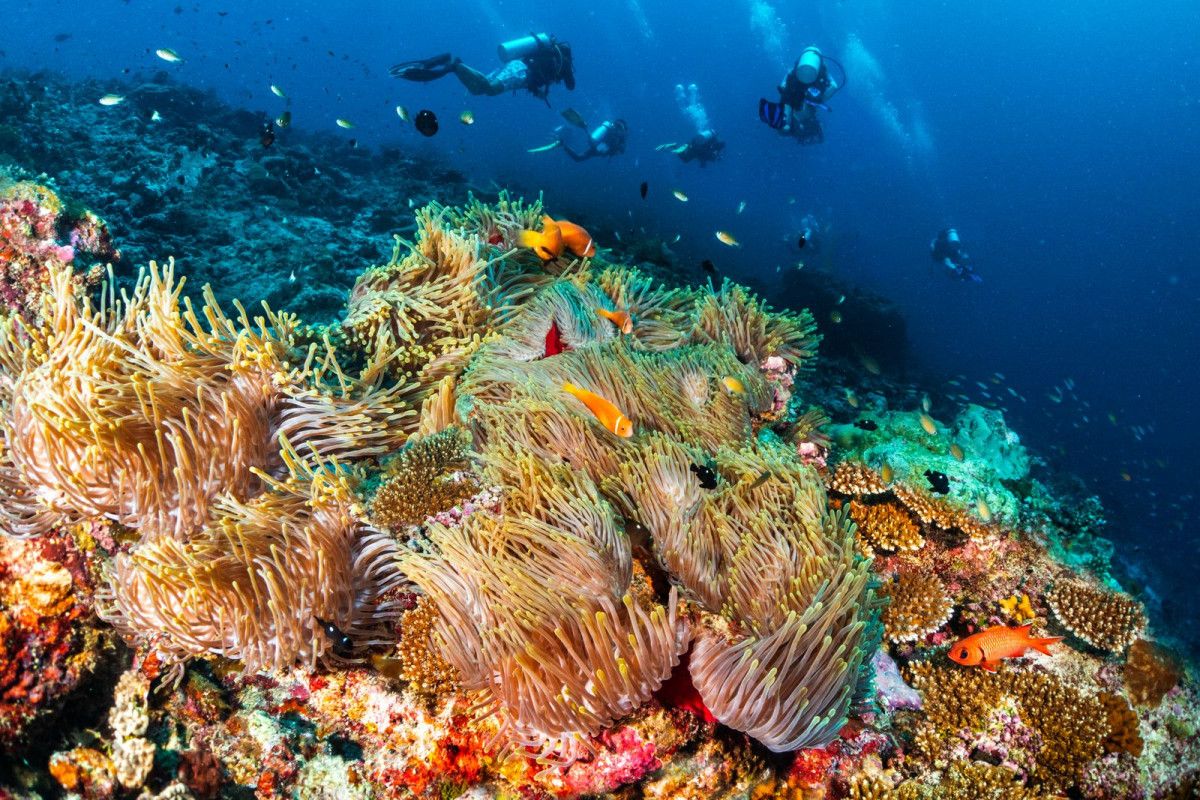
Beyond large marine life, the Maldives offers beautiful coral gardens, reef walls and protected marine habitats. These areas are home to turtles, rays, reef fish, nudibranchs, moray eels, anemones, sea fans, soft corals and many other species.
For divers who enjoy slower, detail-rich dives, coral gardens and reef walls offer a different side of the Maldives. Here, the experience is less about one large encounter and more about observing the life of the reef, from small reef creatures to larger fish moving along the coral edge.
Marine protected areas across the country help conserve some of the Maldives’ most valuable reef systems and marine habitats. Sites such as Kudarah Thila, Fish Head and South Ari Marine Protected Area are examples of how conservation and visitor experiences can support the long-term protection of the underwater environment.
Dive experiences for every level
The Maldives offers diving for different skill levels. Beginners can start with calm reef dives, lagoon-based training and guided introductory dives. Certified divers can explore reef walls, coral gardens and thilas, while advanced divers can take on stronger currents, deeper pinnacles, shark dives and channel dives.
Because conditions vary between atolls, seasons and individual sites, divers should always follow the advice of local dive professionals. Current strength, visibility, tides and depth can change the difficulty level of a dive, even at familiar locations.
This flexibility makes the Maldives ideal for many types of dive travellers, from first-time divers and underwater photographers to experienced liveaboard guests looking for more challenging sites.
Planning a dive trip to the Maldives
Diving is available throughout the year in the Maldives, although conditions and marine life sightings vary by season and region. Visibility, currents and plankton levels change with the monsoon patterns, which can influence where and when certain species are most commonly seen.
For the best experience, visitors should choose their atoll or resort based on the type of diving they want to prioritise. Some areas are better known for manta rays, others for whale sharks, shark encounters, thilas, channels or beginner-friendly reef dives.
Travellers can dive through resort dive centres, guesthouse-based dive operators or liveaboards. Liveaboards are especially popular for visitors who want to cover multiple atolls and experience a wider range of dive environments during one trip.
Why the Maldives is a complete dive destination
The Maldives is not a destination defined by a single dive site. It is a destination where many types of underwater experiences exist across one island nation.
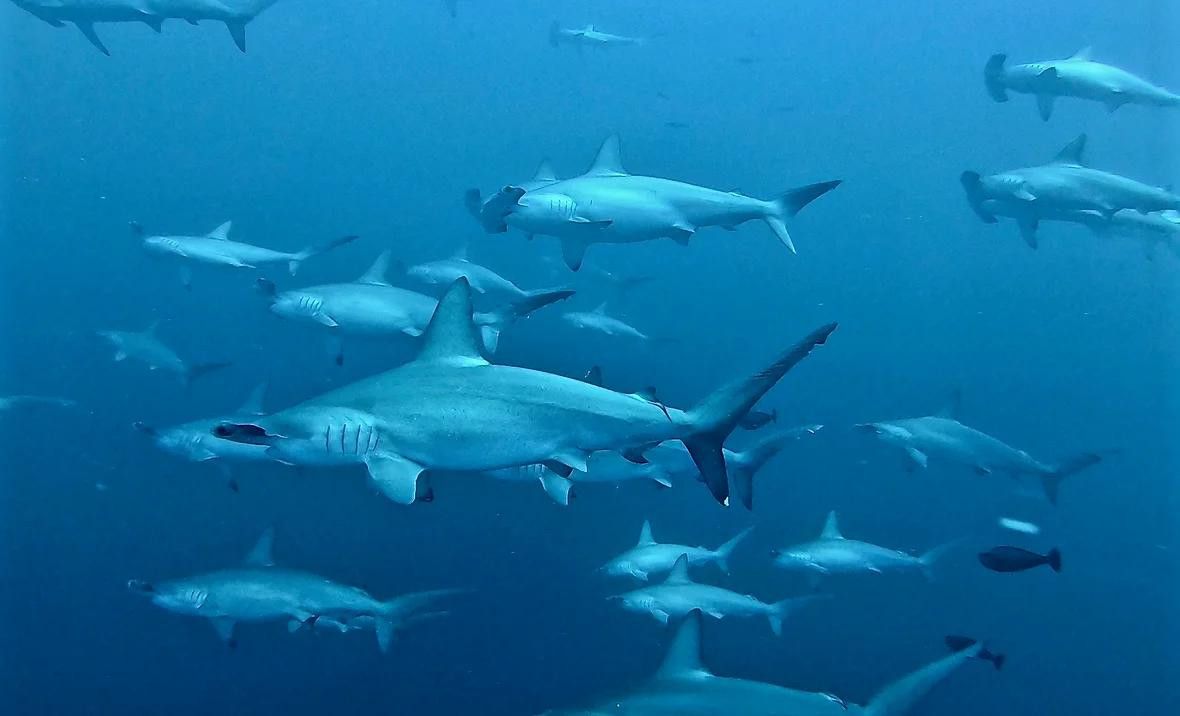
Divers can explore soft coral overhangs, drift through channels, descend along reef walls, search for hammerheads, encounter reef sharks, swim with whale sharks, watch manta rays feed and visit protected marine areas where reef ecosystems continue to thrive.
This variety is what makes diving in the Maldives so rewarding. Whether it is a first reef dive, a liveaboard adventure or a once-in-a-lifetime encounter with pelagic giants, every dive reveals a different side of the Indian Ocean.
Vote for the Maldives in the World Travel Awards 2026
Public voting for the World Travel Awards 2026 is now open, inviting travellers and industry supporters to vote for the Maldives in its nominated categories, including Indian Ocean’s Leading Dive Destination 2026.
Votes can be submitted through the official World Travel Awards voting platform. Voters can register with a valid email address, verify their account and select the Maldives under the relevant Indian Ocean categories. Travel professionals using verified corporate email addresses may receive double votes.
Voting closes on 7 August 2026. The Asia, Oceania & Indian Ocean Gala Ceremony is scheduled to take place in the Maldives on 27 September 2026, coinciding with World Tourism Day.
From coral-covered thilas and current-swept channels to manta rays, whale sharks and shark encounters, diving in the Maldives offers a journey through some of the Indian Ocean’s most memorable underwater experiences.