Experience
The healing wilds of the Maldives
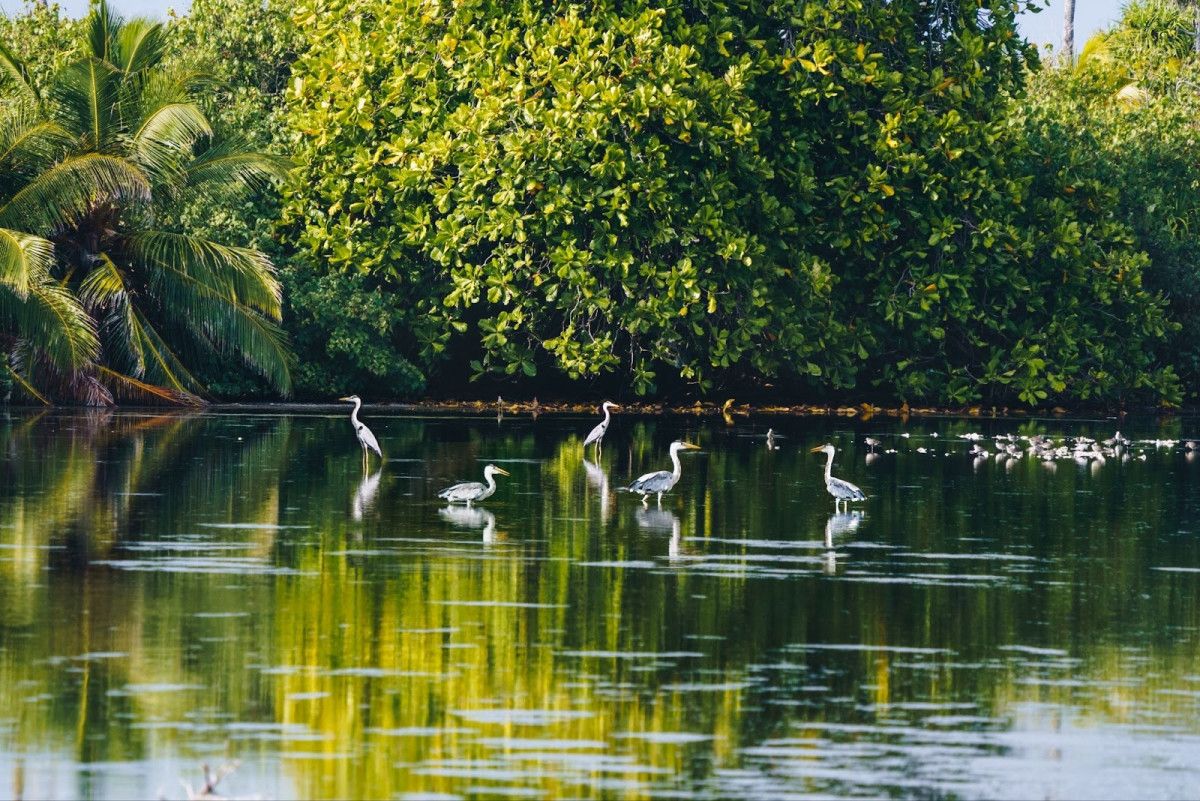
The Maldives is famous for its blue, but its true magic is found in the green. Hidden among our tropical forests is a wealth of wild plants celebrated for their traditional medicinal powers. These botanical wonders don't just support our local wildlife, they offer a unique connection to nature, health, and the Maldivian way of life.
This World Wildlife Day, journey into the wilder side of the Maldives to meet the plants that protect, heal, and define our island life.
Butterfly pea (Nanreethimaa)
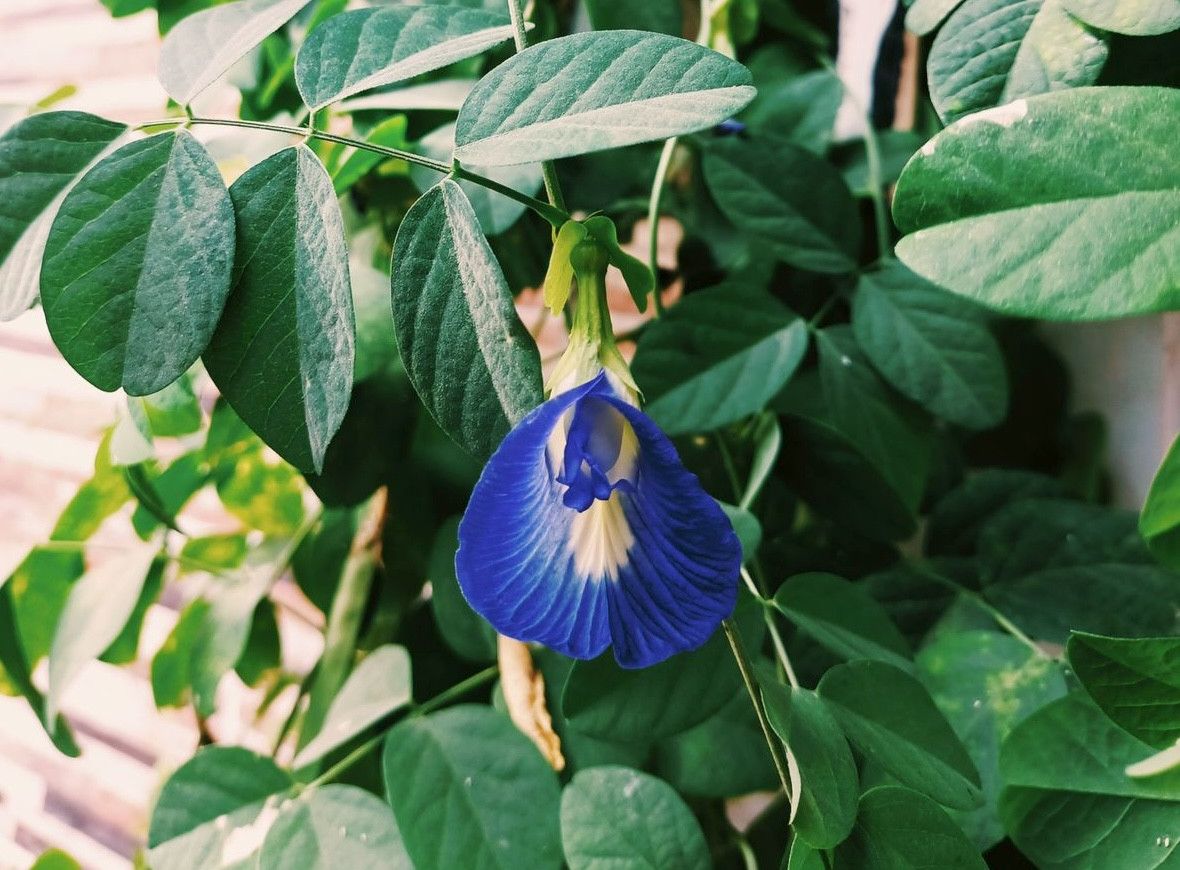
The first plant to catch your eye is the stunning butterfly pea. Its vibrant, deep-blue petals are more than just a tropical aesthetic; they are a nutritional powerhouse. Rich in antioxidants called anthocyanins, these blooms are known to help the brain, soothe inflammation, and maintain healthy skin and hair. Watch as locals transform these flowers into a magical, colour-changing tea or use them as a natural dye to tint traditional delicacies with a brilliant azure hue.
Lemon Basil (Gandhakoalhi)
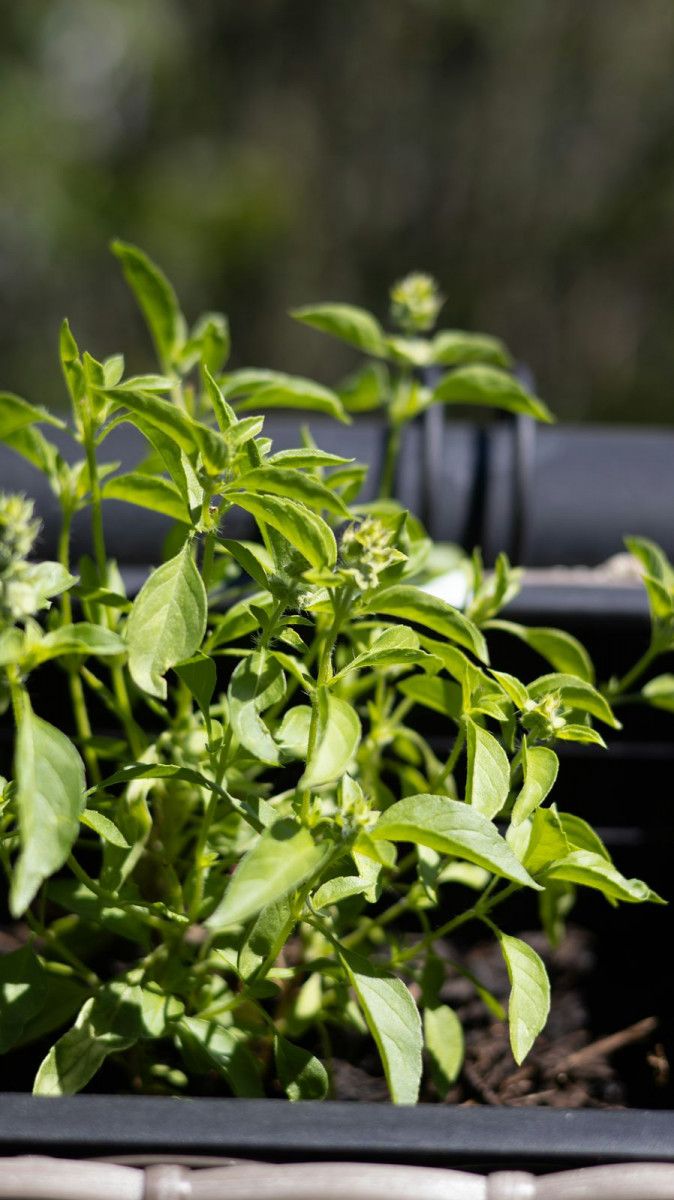
A staple in Maldivian kitchen gardens, lemon basil fills the island air with a crisp, citrusy aroma. Beyond its culinary charm, it is a primary remedy for warding off fever and flu. Whether freshly juiced or brewed into a steaming tonic, its antibacterial and anti-inflammatory properties act as a natural shield for the body while its bright scent works to instantly calm a busy mind.
Neem (Hithi)
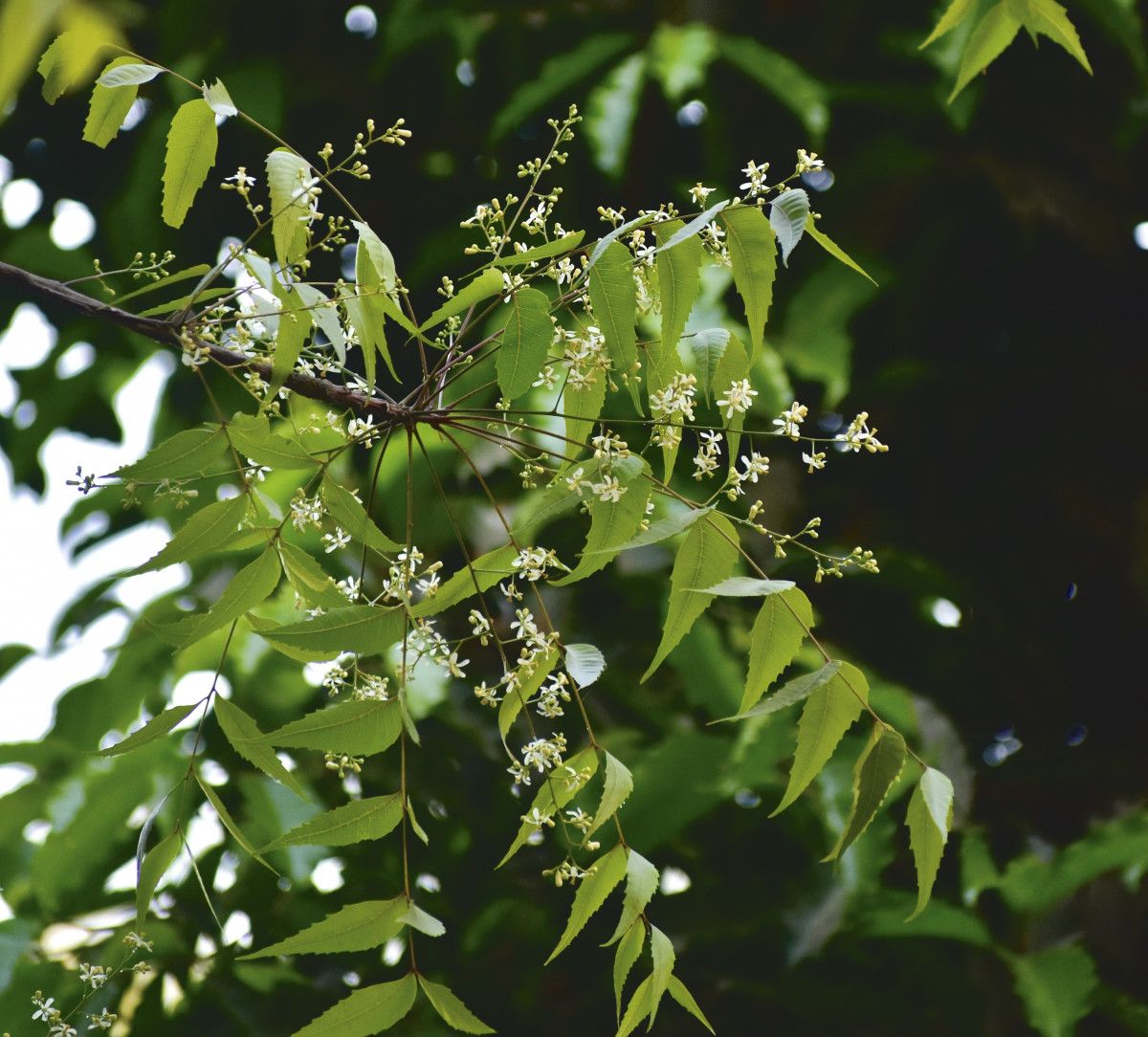
Neem is the undisputed powerhouse of the Maldivian wilds. Almost every part of this tree (the bark, leaves, and seeds) is used to facilitate healing. Known for its intense purifying properties, it is the go-to for everything from skin-clearing elixirs for acne and eczema to immunity-boosting pastes. It remains a reliable cornerstone of traditional Maldivian medicine, proving that nature often provides the best defence.
Red Bead Tree (Madhoshi)
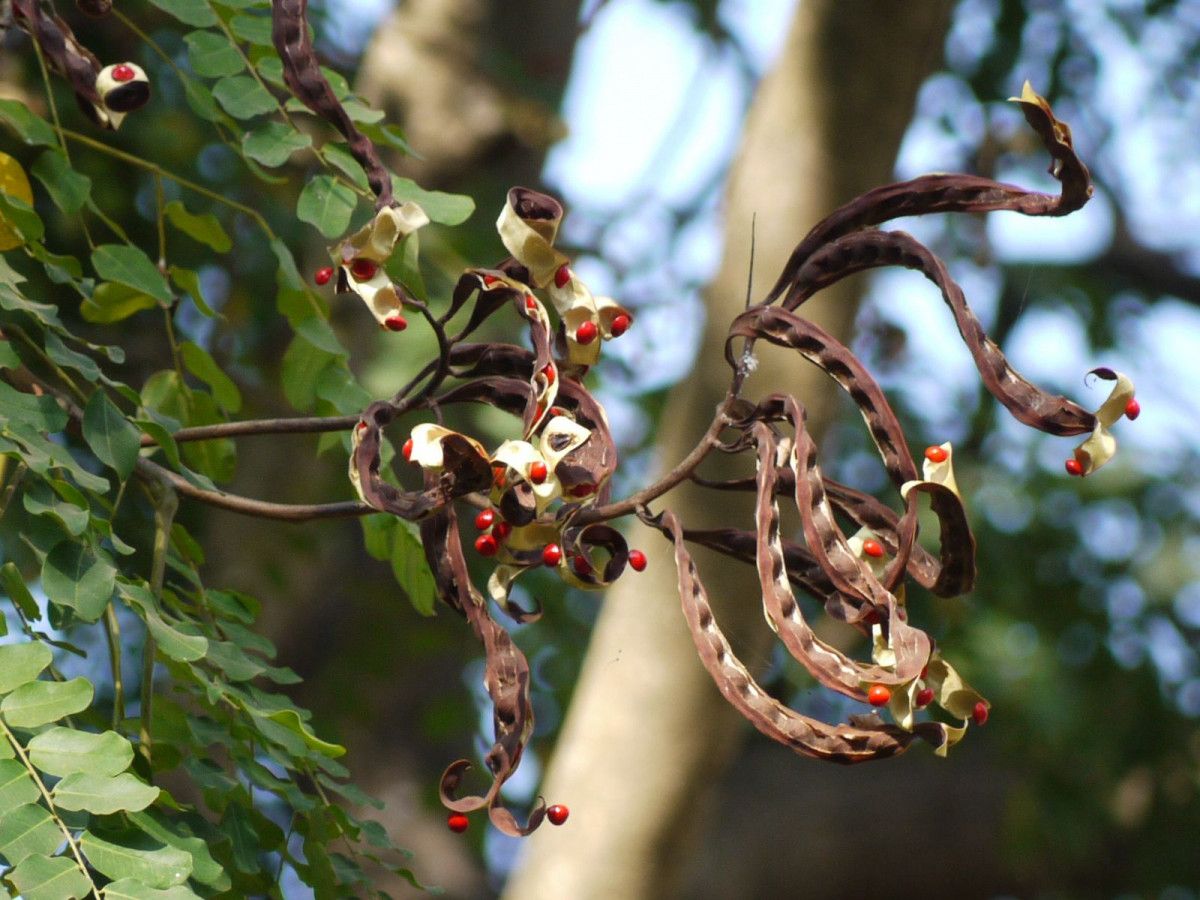
With its bright, lacquered red seeds, this tree is a plant of many talents. While the seeds are often used in traditional crafts, they also hold potent cooling properties. When prepared correctly, boiled seed pastes ease inflammation, and decoctions of the leaf and bark support a healthy digestive system. In local lore, the powdered seeds are even used to relieve migraines; a true testament to the hidden secrets of the forest.
Elephant Ear Taro (Ala)
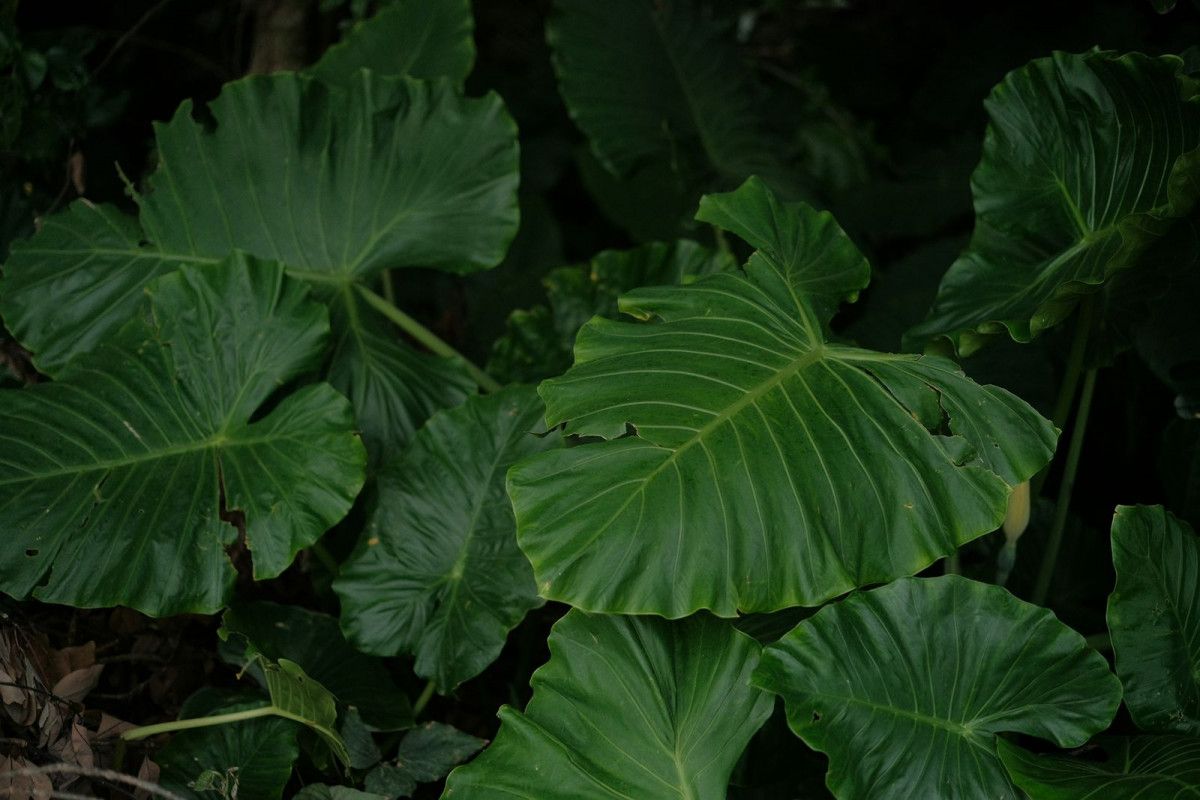
This dramatic, broad-leafed plant is a perfect example of how Maldivian culture blends nutrition with healing. While the tuber is a hearty local superfood, the stem juice acts as a quick-acting antidote for stings, and the cool leaves provide instant comfort for minor burns. Packed with fibre, iron, and essential vitamins, it is a nutrient-dense reminder that our food can also be our medicine.
Moringa (Muranga)
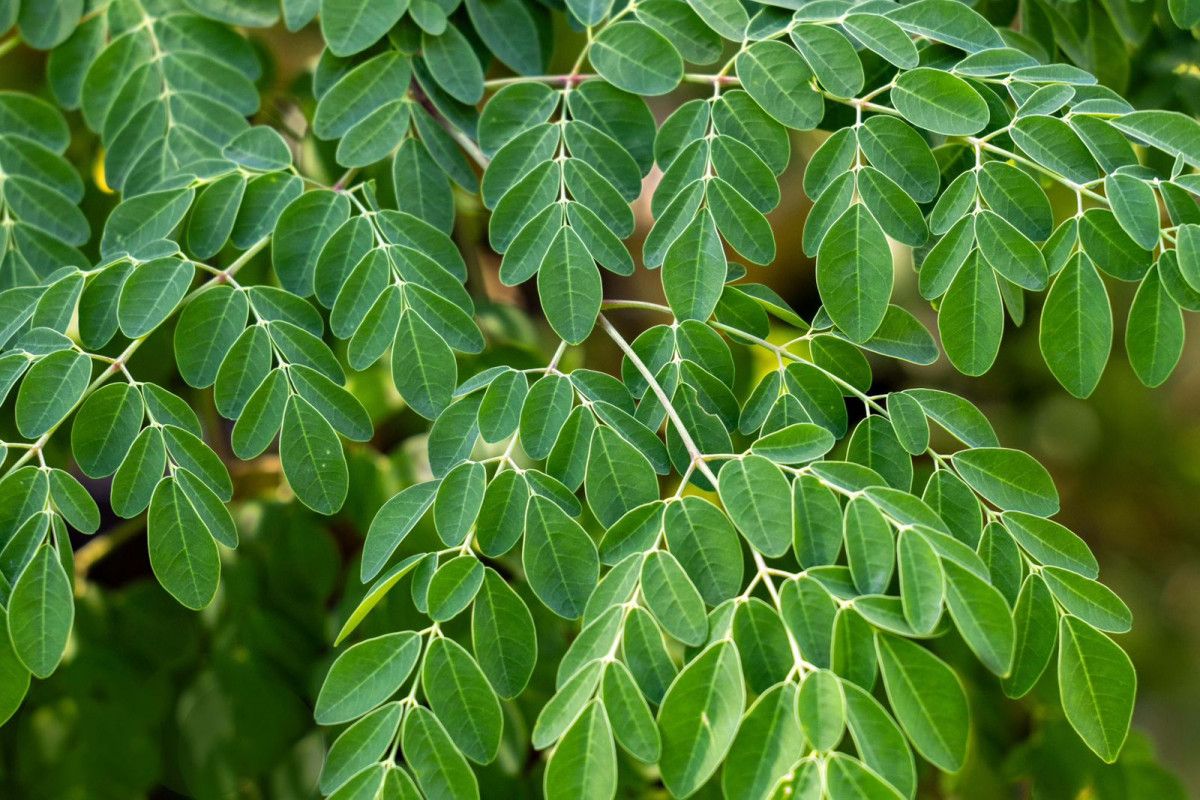
Known globally as a superfood, the moringa tree flourishes across the Maldives. Every leaf is a concentrated dose of vitamins, minerals, and antioxidants. From managing blood sugar to revitalising hair and skin, moringa is a vital part of the island diet. Whether enjoyed in a savoury dish or a delicate tea, it is a miracle plant that sustains the health of our communities from the inside out.
The importance of conservation
These plants are more than just remedies; they are a living link between the Maldivian people, our history, and the natural world. This World Wildlife Day, we celebrate the flora that sustains both the fauna and the folk who call these islands home.
Protecting these species and their habitats ensures that future generations can continue to benefit from this ancient wisdom. Conserving biodiversity isn’t just an ecological necessity; it is a deeply cultural act. By honouring these plants, we honour both nature and the wisdom of generations past.
On your next visit, we invite you to explore, respect, and protect our natural pharmacy.