Experience
Why the Maldives belongs on every diver’s bucket list
Nothing quite prepares you for the moment you slip beneath the surface in the Maldives. Sunlight ripples through the clear water, coral reefs emerge from the blue, and marine life glides past in every direction. With 26 natural atolls to explore, every dive here holds the promise of a discovery all its own.
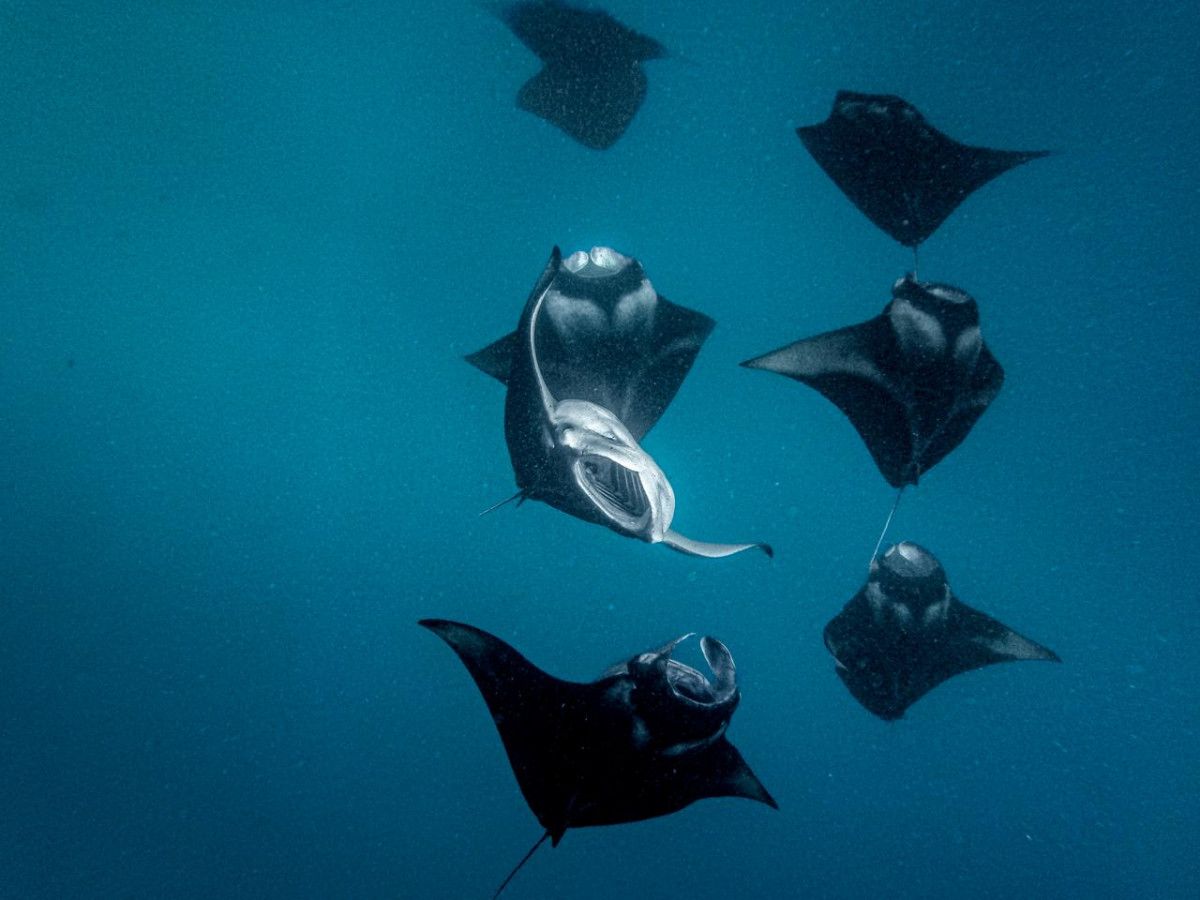
The warm waters of Maldives are teeming with life, from graceful reef sharks and gentle sea turtles to shimmering schools of tropical fish in every colour imaginable. With dive sites suited to beginners and experienced divers alike, and underwater landscapes ranging from vibrant coral reefs to historic wrecks, the Maldives offers something new to discover at every level. In Hanifaru Bay, a UNESCO Biosphere Reserve in Baa Atoll, manta rays gather in astonishing numbers, while South Ari Atoll welcomes whale sharks year-round. Some encounters are impossible to miss, but the real magic often belongs to those who slow down and look a little closer.
Every dive brings a different encounter
Baa Atoll is a fitting place to begin, with dive sites that range from open-water pinnacles to easy beach dives. Dhonfanu Thila, a pinnacle dropping to around 30 metres, draws Napoleon wrasse, grey reef sharks, eagle rays, tuna and clouds of fusiliers. Closer to shore, Muhdhoo House Reef is an easy beach dive along a coral wall, home to everything from groupers, batfish and sweetlips to octopus, nudibranchs and lobster.
The atoll’s most famous attraction, Hanifaru Bay, is a different kind of experience. Manta rays gather here in astonishing numbers each year, but to protect this fragile feeding ground, diving is banned and visitors can only snorkel, floating on the surface above the spectacle.
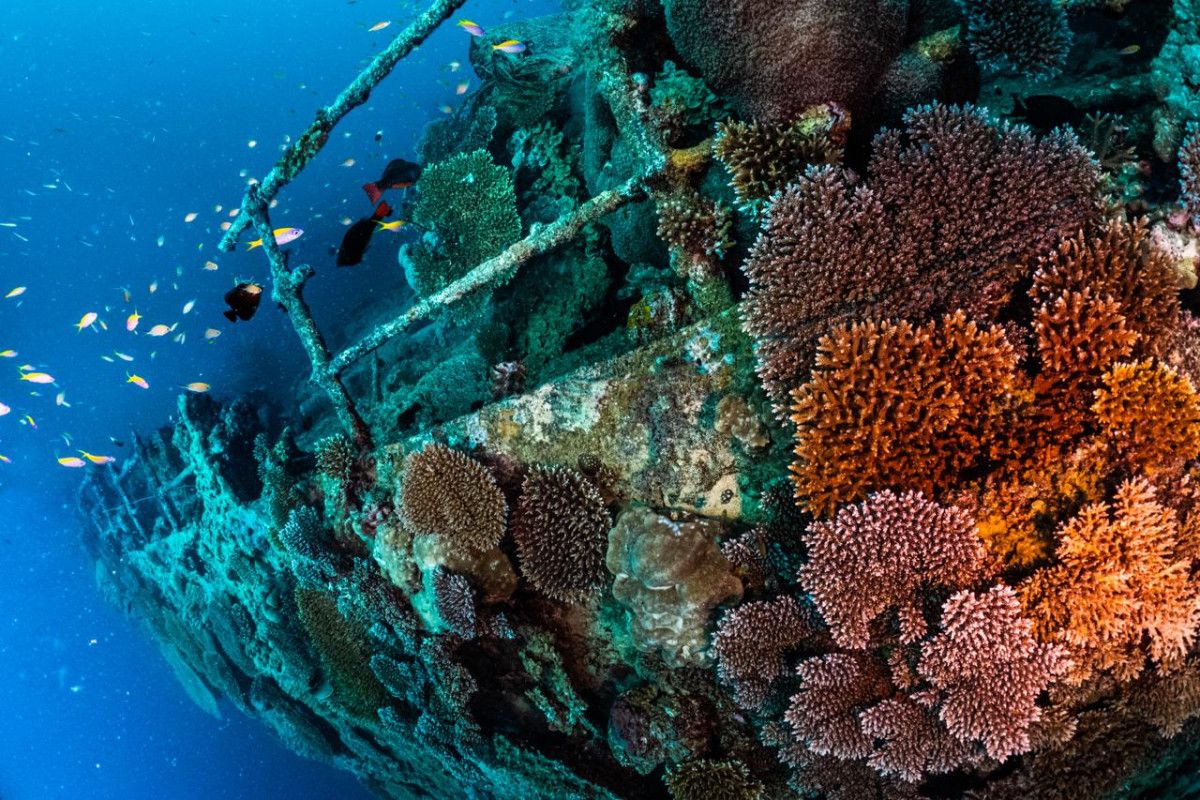
Beyond Baa Atoll, the underwater scenery shifts dramatically from one site to the next, and nowhere more so than in the wrecks. Far to the south, in the calm lagoon of Addu Atoll, lies the British Loyalty, a 140-metre former oil tanker and the largest shipwreck in the Maldives. Built in 1928, it survived a wartime torpedo attack before being scuttled in 1946, and the damage is still visible today. Resting on its side at depths of 16 to 33 metres, the wreck lets divers explore the bridge and finish at the coral-wrapped propeller, with resident barracuda patrolling the darker passages.
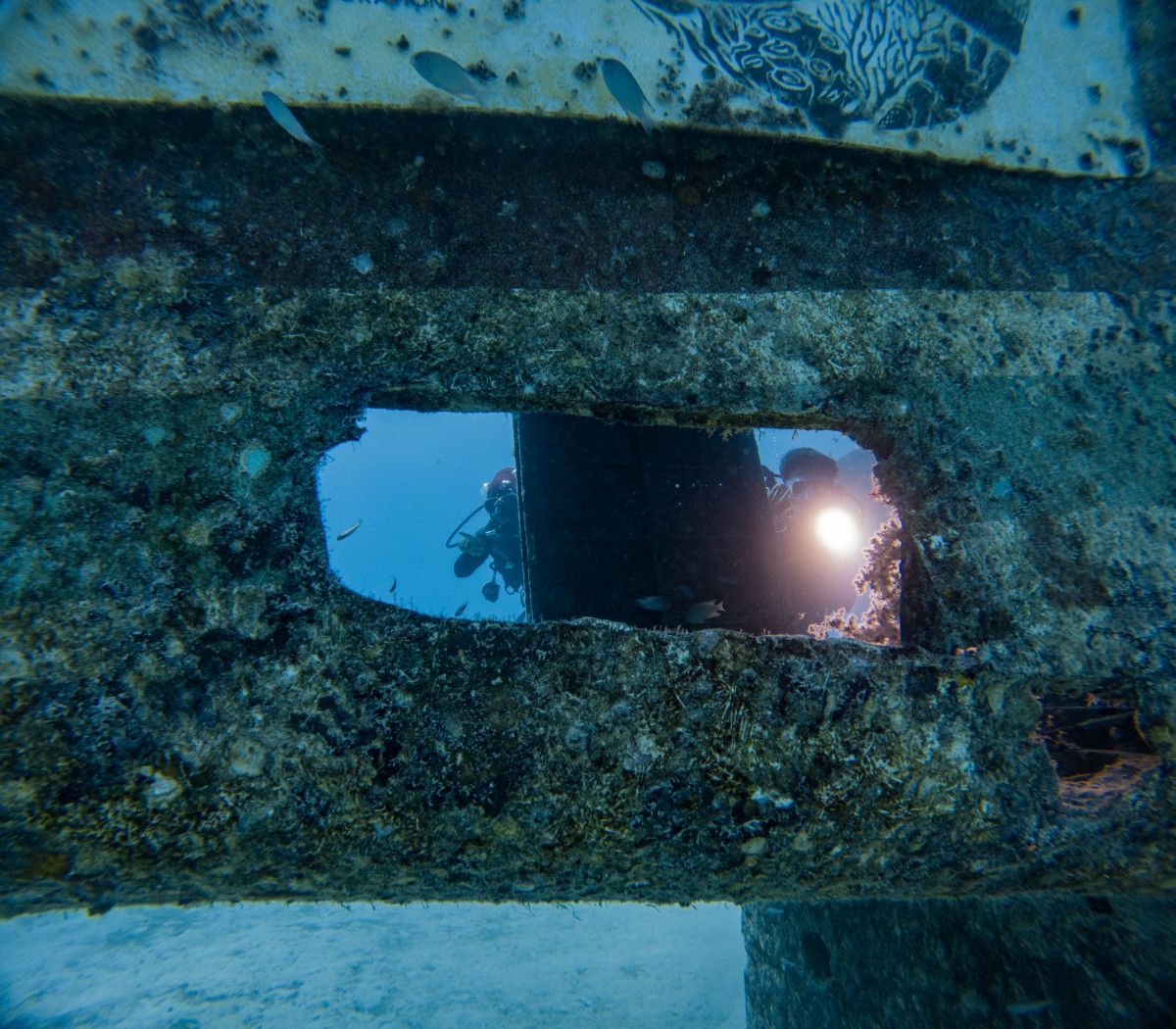
Closer to Malé, near Kuda Giri in South Malé Atoll, the Dhoonier Wreck offers a modern counterpart. Launched in 2025 by Visit Maldives Corporation and Housing Development Corporation (HDC), the regenerative tourism project is transforming two submerged aircraft into an underwater reef, backed by long-term coral restoration. It is a purpose-built site where divers can explore a wreck while watching new reef life take hold.
Wrecks and restored reefs are only one part of the picture. Rising from the seabed across the atolls are the thilas, underwater pinnacles that draw fish in from all directions. Near Vilamendhoo Island Resort in South Ari Atoll, Vilamendhoo Thila is a lesser-known gem, a medium-sized pinnacle with excellent coral coverage and calm conditions that suit intermediate divers and reward experienced ones too. Anthias, triggerfish and bannerfish fill the reef, jackfish patrol the edges, and macro life turns up on a closer look.
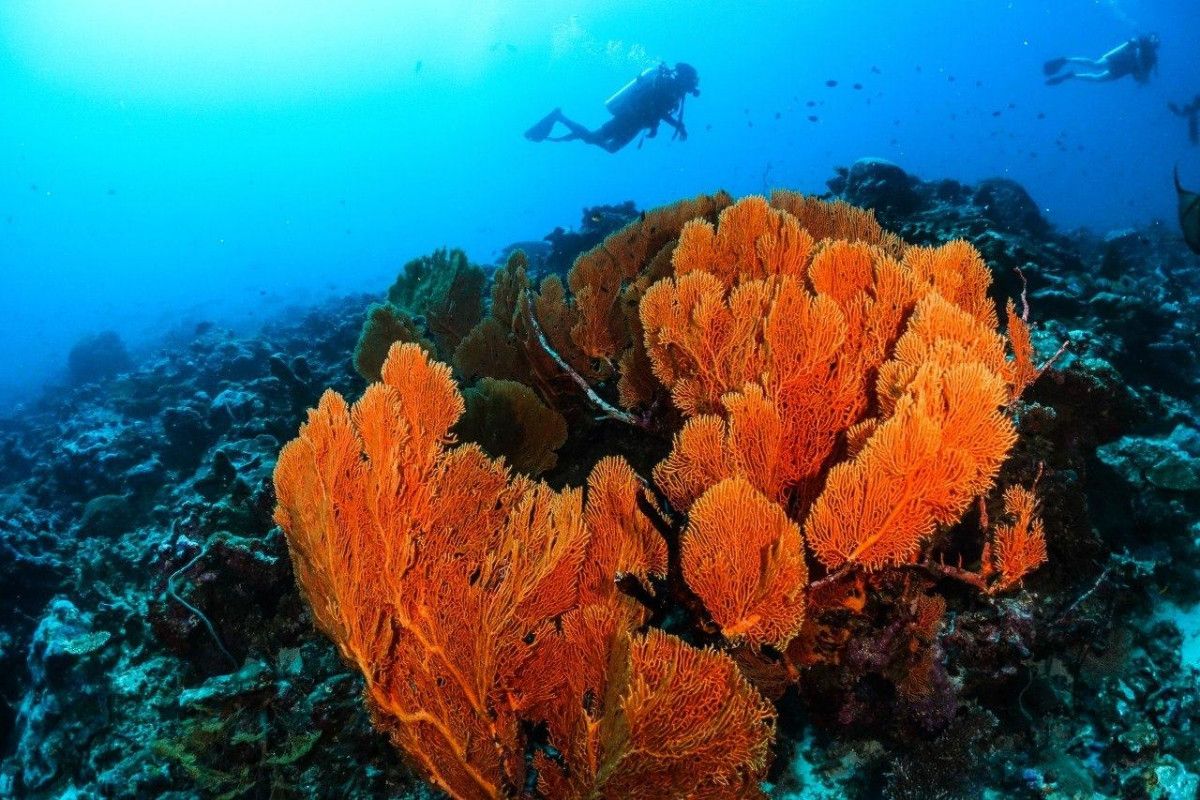
Also in South Ari Atoll, Kudarah Thila is a standout, with two large overhangs adorned with sea fan corals. Its rich coral formations are crowded with five-lined snappers and fusiliers while white-tip reef sharks cruise nearby. Some pinnacles run with strong currents, making them better suited to experienced divers.
Finally, there are the steep reef walls, where coral-covered ledges and overhangs fall away into deeper water. Muhdhoo House Reef is a good example, a wall that suits both snorkellers and divers, with coral caves and plenty of marine life, including turtles and eagle rays.
The Maldives’ reefs hold more than meets the eye, but some of the Maldives’ most fascinating discoveries are found not in its grandest settings, rather in its smallest details.
Small wonders beneath the surface
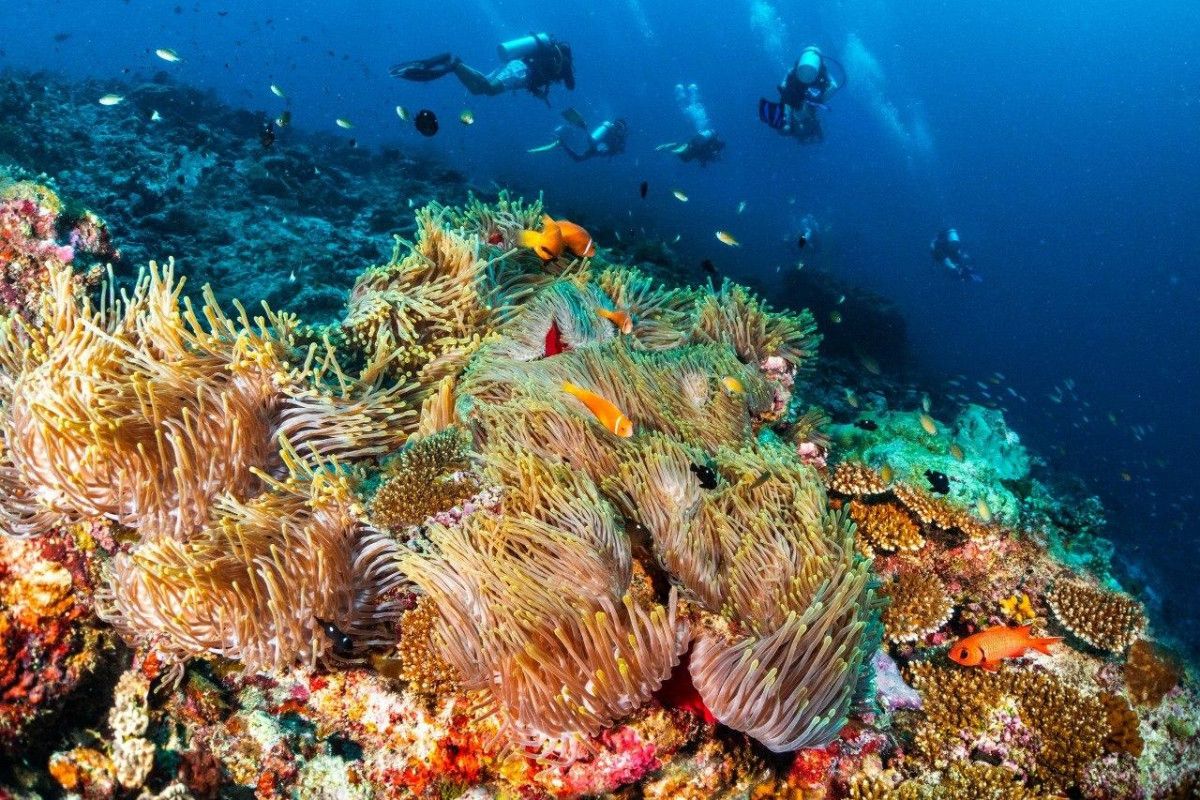
Beyond manta rays and whale sharks, the reefs of the Maldives are full of life that can easily go unnoticed. Butterflyfish and angelfish weave between coral formations, moray eels peer out from rocky crevices, and sea turtles glide along the reef. Look a little closer and you may spot colourful nudibranchs or an ornate ghost pipefish blending almost seamlessly into its surroundings.
The corals themselves are just as captivating, creating intricate shapes and providing shelter for countless marine species. A reef that first appears familiar can reveal something new with every closer look, whether it is a tiny creature tucked between the branches of a coral or a school of fish moving together through the water.
For divers willing to take their time, these smaller encounters can be just as memorable as meeting the ocean’s larger inhabitants.
With such varied underwater landscapes, the Maldives offers experiences for divers at different stages of their journey. Sheltered lagoons and calmer reefs provide opportunities for beginners to discover the underwater world, while deeper sites and stronger currents offer more demanding dives for experienced divers.
There is also more than one way to explore. Resort-based diving allows guests to discover nearby reefs on boat trips, often just a short journey from the island. Liveaboards, meanwhile, take divers further afield, travelling between atolls and opening up a wider selection of dive sites in a single trip.
Whether it is a first encounter with a coral reef or another adventure in a familiar stretch of ocean, the Maldives offers an underwater world that continues to inspire exploration.
Protecting the Maldives for the next generation of divers
The beauty of diving in the Maldives is heavily dependent on
the health of its marine ecosystems. Protecting these environments is essential
to preserving the experiences that draw divers to the Maldives, today and for
generations to come.
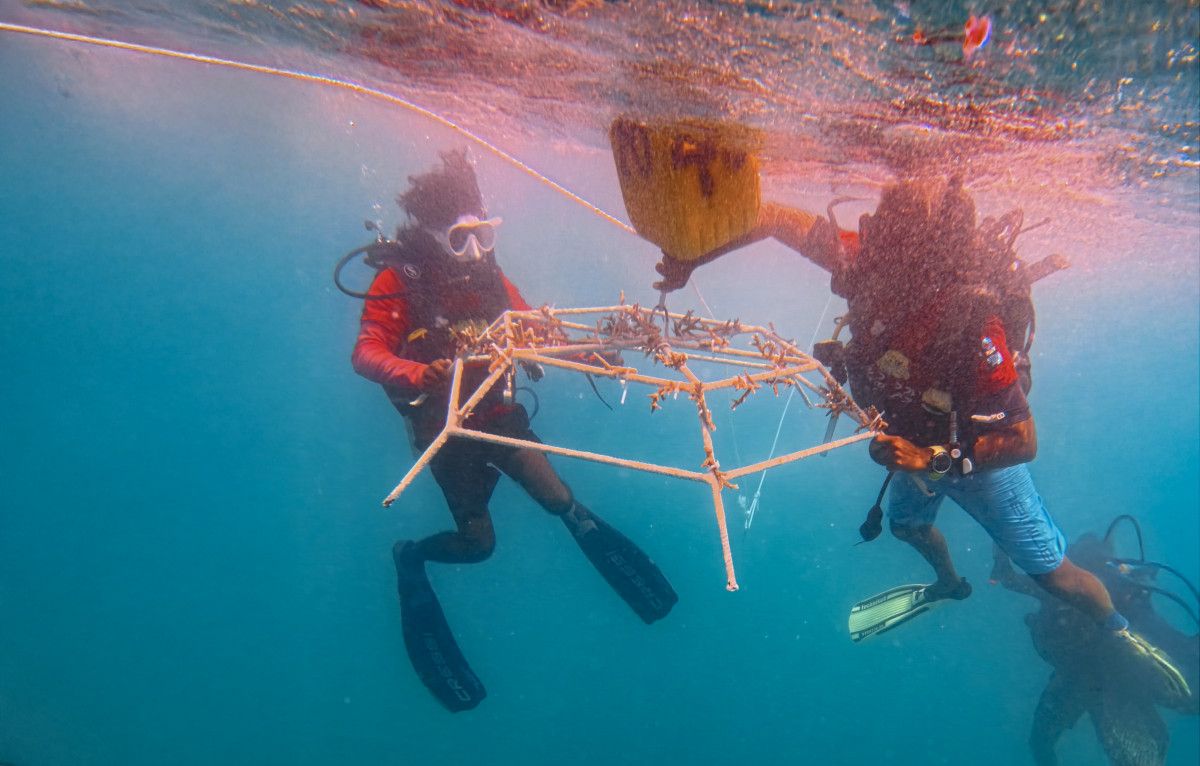
Across the country, marine protected areas (MPAs), reef
monitoring and coral restoration initiatives help safeguard these fragile
habitats. Government agencies, local island communities and non-governmental
organisations (NGOs) all play a part in conservation efforts, working to
protect marine life and support the long-term health of the reefs.
Divers can contribute to these efforts through responsible
diving. Avoiding contact with corals, maintaining a respectful distance from
marine animals and following local diving guidelines all help minimise
disturbance to marine life. By approaching each dive with care, divers can
enjoy these encounters while helping preserve the environment that makes them
possible.
Protecting the Maldives’ underwater world means keeping it
alive with possibility: a reef waiting to be explored, a manta gliding through
blue waters or a first encounter with a whale shark. With continued
conservation efforts and responsible diving, these experiences can remain part
of the Maldives for generations of divers yet to come.
Vote for the Maldives at the World Travel Awards 2026
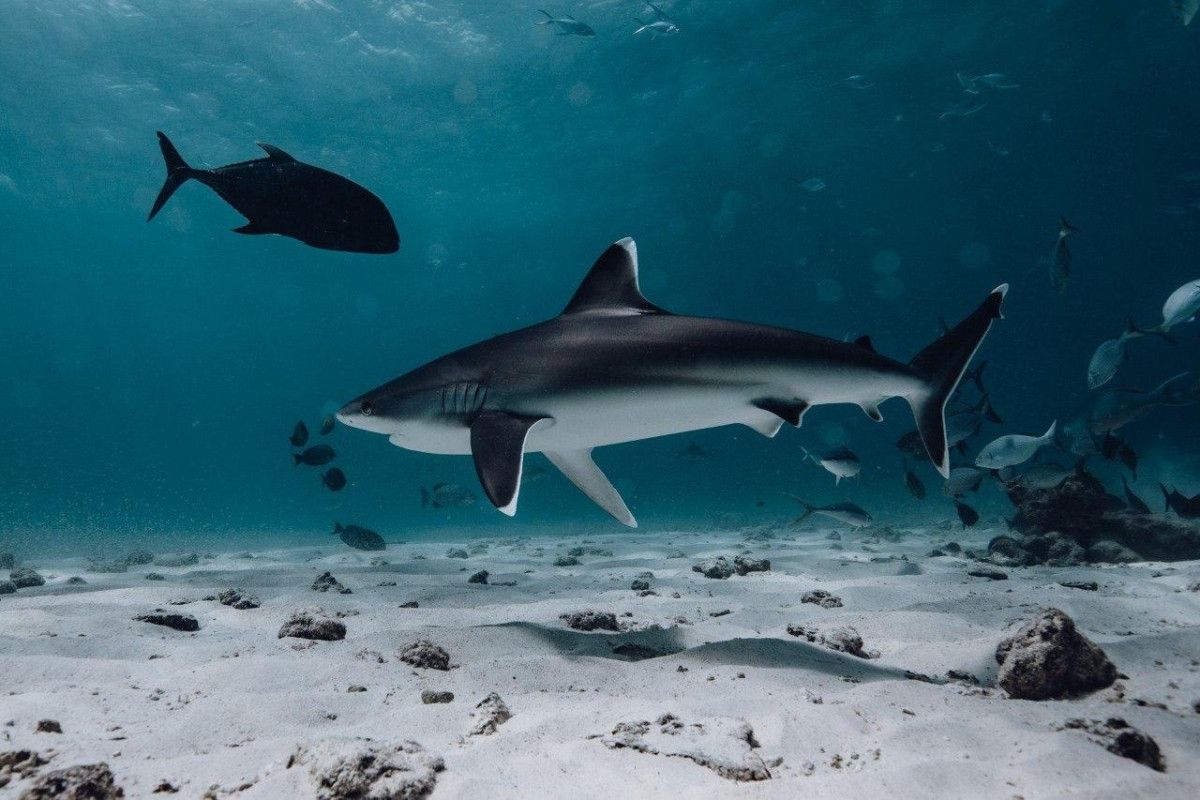
From its extraordinary marine encounters to the quieter wonders hidden among its reefs, the Maldives offers countless reasons to earn a place on every diver’s bucket list. Its nomination for World’s Leading Dive Destination at the World Travel Awards 2026 recognises the diversity of experiences that make the destination so special.
The Maldives is nominated for World’s Leading Dive Destination at the World Travel Awards 2026, one of five nominations for the destination, alongside World’s Leading Destination, World’s Leading Green Destination, World’s Leading Honeymoon Destination and World’s Leading Tourist Board.
Whether you have dived its reefs or are still dreaming of them, your vote helps bring the title home. Voting closes on 30 October 2026.
Cast your vote: https://www.worldtravelawards.com/vote